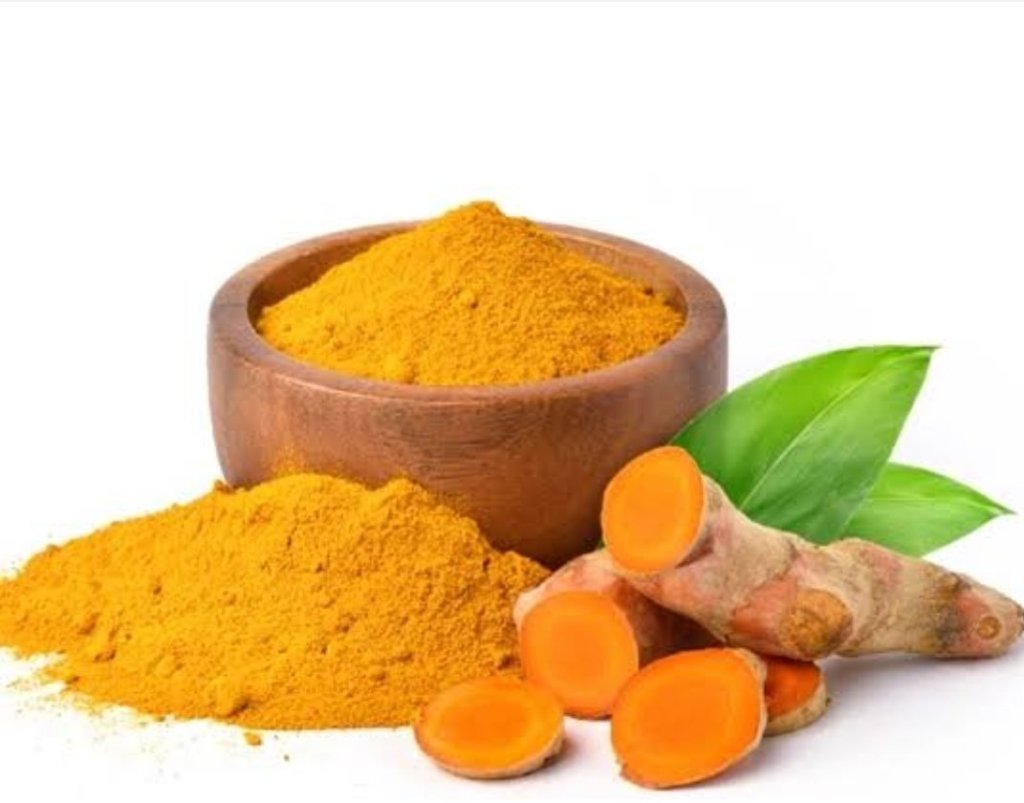
Turmeric, known as “haldi” in many cultures, has been used for centuries not only as a spice to add flavor and color to dishes, but also as a powerful medicinal herb. Its active compound, curcumin, has been extensively studied for its potential health benefits. From its anti-inflammatory properties to its potential role in preventing chronic diseases, turmeric is often referred to as a “superfood” with a range of potential benefits.
- Anti-Inflammatory Powerhouse:
One of the key benefits of turmeric is its strong anti-inflammatory properties. Curcumin helps to block inflammatory pathways at the molecular level, which can aid in managing conditions such as arthritis and other inflammatory disorders. Its natural anti-inflammatory effects are comparable to some pharmaceutical drugs, but without the associated side effects. - Antioxidant Protection:
Turmeric also functions as a potent antioxidant, protecting the body from free radicals and oxidative stress. This can contribute to preventing cell damage and reducing the risk of chronic diseases, including cancer and heart disease. - Pain Relief:
Due to its anti-inflammatory and antioxidant properties, turmeric may offer relief from various types of pain, ranging from joint pain to muscle soreness. Some studies suggest that curcumin can be as effective as certain pain-relief medications. - Potential Brain Health:
Curcumin has shown promising effects on brain health. It may help increase levels of brain-derived neurotrophic factor (BDNF), a growth hormone that functions in the brain, potentially delaying or reversing brain diseases and age-related decreases in brain function. - Heart Health:
Turmeric may contribute to heart health by improving the function of the endothelium (the lining of blood vessels), reducing inflammation, and improving cholesterol levels. These factors combined can lower the risk of heart disease. - Diabetes Management:
Curcumin may also aid in managing diabetes by improving insulin sensitivity and lowering blood sugar levels. It can potentially be a complementary approach to diabetes management, although more research is needed. - Potential Cancer Prevention:
While more research is required, some studies suggest that curcumin may have anti-cancer properties. Its ability to affect multiple molecular pathways involved in cancer growth and spread has piqued the interest of researchers studying its potential role in cancer prevention. - Turmeric, with its active compound curcumin, offers a range of potential health benefits that span from reducing inflammation and pain to protecting against chronic diseases. Incorporating turmeric into your diet can be as simple as using it as a spice in cooking or by consuming turmeric supplements. However, it’s important to remember that the bioavailability of curcumin is often low, so combining it with black pepper or healthy fats can enhance absorption. As with any supplement or dietary change, consulting a healthcare professional is recommended, especially if you have existing health conditions or are taking medications.
 Health Fighter
Leave a comment