What is fiber Food
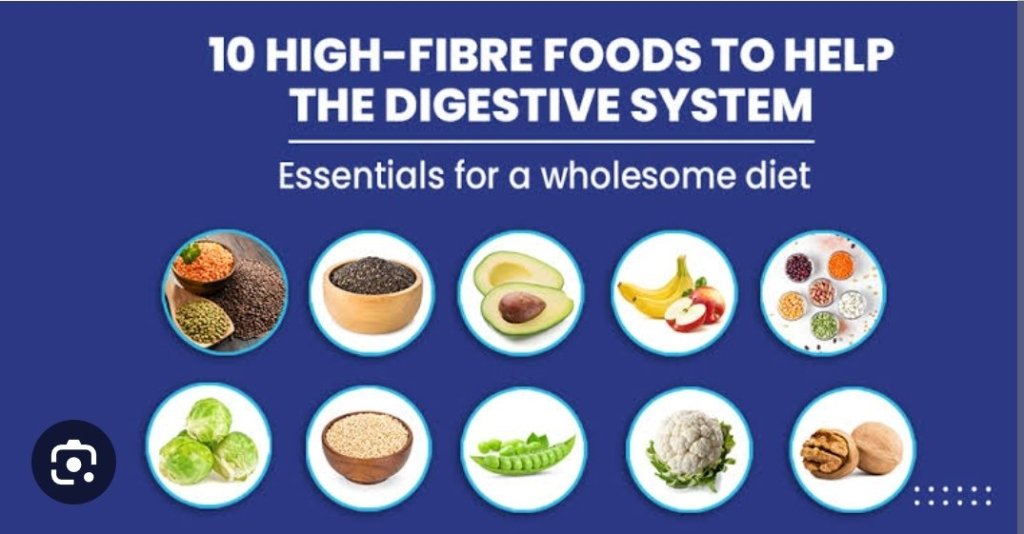
A diet rich in fiber is essential for maintaining a healthy digestive system and overall well-being. Fiber aids in digestion, helps regulate blood sugar levels, promotes healthy weight management, and reduces the risk of various chronic diseases. Incorporating high-fiber foods into your diet can bring numerous benefits. In this article, we will explore the top 10 high-fiber foods, their benefits, and the optimal times to include them in your daily routine.
1. Avocado
Avocado is a delicious and versatile fruit packed with fiber. With an impressive fiber content of around 6.7 grams per 100 grams, avocados provide both soluble and insoluble fiber. The fiber in avocados aids digestion, promotes satiety, and supports heart health. Including avocados in your meals can enhance nutrient absorption and help manage weight. Incorporate avocados in salads, spreads, or enjoy them as a snack.
2. Chia Seeds
Chia seeds are tiny powerhouses of nutrition, boasting a fiber content of approximately 34 grams per 100 grams. They are an excellent source of soluble fiber, which forms a gel-like substance in the digestive system, aiding digestion and promoting a feeling of fullness. Chia seeds also support heart health and help regulate blood sugar levels. Add them to smoothies, yogurt, or use them as an egg substitute in baking.
3. Lentils
Lentils are legumes known for their high fiber content, with approximately 7.9 grams per 100 grams. They are a fantastic source of both soluble and insoluble fiber, aiding digestion, and promoting gut health. Lentils also provide a good amount of protein, making them an excellent choice for vegetarians and vegans. Include lentils in soups, stews, or salads for a nutritious and filling meal.
4. Blackberries
Blackberries are delicious, tangy berries that offer an impressive fiber content of around 5.3 grams per 100 grams. They are rich in antioxidants and provide both soluble and insoluble fiber. Blackberries support digestive health, boost immune function, and contribute to healthy skin. Enjoy blackberries as a topping for cereal, in smoothies, or as a standalone snack.
5. Artichokes
Artichokes are a unique vegetable packed with fiber, containing approximately 5.4 grams per 100 grams. They are particularly rich in a type of fiber called inulin, which acts as a prebiotic, nourishing beneficial gut bacteria. Artichokes promote digestive health, aid weight management, and support liver function. Enjoy artichokes steamed, roasted, or in dips and spreads.
6. Split Peas
Split peas, commonly used in soups and stews, are a legume with an exceptional fiber content of approximately 8.3 grams per 100 grams. They are high in both soluble and insoluble fiber, aiding digestion, promoting satiety, and supporting heart health. Split peas are also an excellent source of plant-based protein. Include split peas in hearty soups or use them to make dips and spreads.
7. Raspberries
Raspberries are vibrant and flavorful berries that offer a significant fiber content of around 6.5 grams per 100 grams. They are packed with antioxidants, vitamins, and minerals, making them a nutritional powerhouse. Raspberries support digestive health, promote brain function, and contribute to healthy aging. Enjoy raspberries in smoothies, on top of yogurt, or as a refreshing snack.
8. Quinoa
Quinoa is a versatile and gluten-free grain that provides approximately 2.8 grams of fiber per 100 grams. It contains both soluble and insoluble fiber, aiding digestion, promoting a healthy gut, and supporting weight management. Quinoa is also rich in protein and essential amino acids, making it an excellent choice for vegetarians and vegans. Use quinoa as a base for salads, as a side dish, or in grain bowls.
9. Whole Grain Bread
Whole grain bread, made from whole wheat or other whole grains, is a fiber-rich alternative to refined white bread. It typically contains around 6 grams of fiber per 100 grams, depending on the brand and variety. Whole grain bread provides both soluble and insoluble fiber, promoting digestive health and satiety. Opt for whole grain bread for sandwiches, toast, or as a side to soups and salads.
10. Broccoli
Broccoli is a cruciferous vegetable packed with fiber, offering approximately 2.6 grams per 100 grams. It is also rich in vitamins, minerals, and antioxidants, contributing to overall health and well-being. Broccoli supports digestion, aids detoxification, and provides immune-boosting benefits. Include broccoli in stir-fries, salads, or roasted as a nutritious side dish.
Why High Fiber food
Incorporating high-fiber foods into your diet brings a multitude of benefits, from supporting digestion to promoting overall health. Avocado, chia seeds, lentils, blackberries, artichokes, split peas, raspberries, quinoa, whole grain bread, and broccoli are ten excellent choices to increase your fiber intake. Experiment with different recipes and combinations to make these foods a regular part of your meals.
Remember to drink plenty of water when consuming high-fiber foods to aid digestion and prevent any potential discomfort. It is also essential to gradually increase your fiber intake to allow your body to adapt.
By including these high-fiber foods at optimal times throughout the day, such as incorporating them into breakfast, lunch, and dinner, you can support your digestive system and overall well-being. Embrace the benefits of fiber-rich foods and enjoy a healthier lifestyle.
Note: This is just information.
 Health Fighter
Leave a comment