Breast cancer is a prevalent and potentially life-threatening disease that affects individuals of all genders. It is crucial to raise awareness about breast cancer, as early detection and timely treatment significantly improve outcomes. This article aims to provide an overview of breast cancer, including its symptoms, diagnosis methods, and available treatment options.

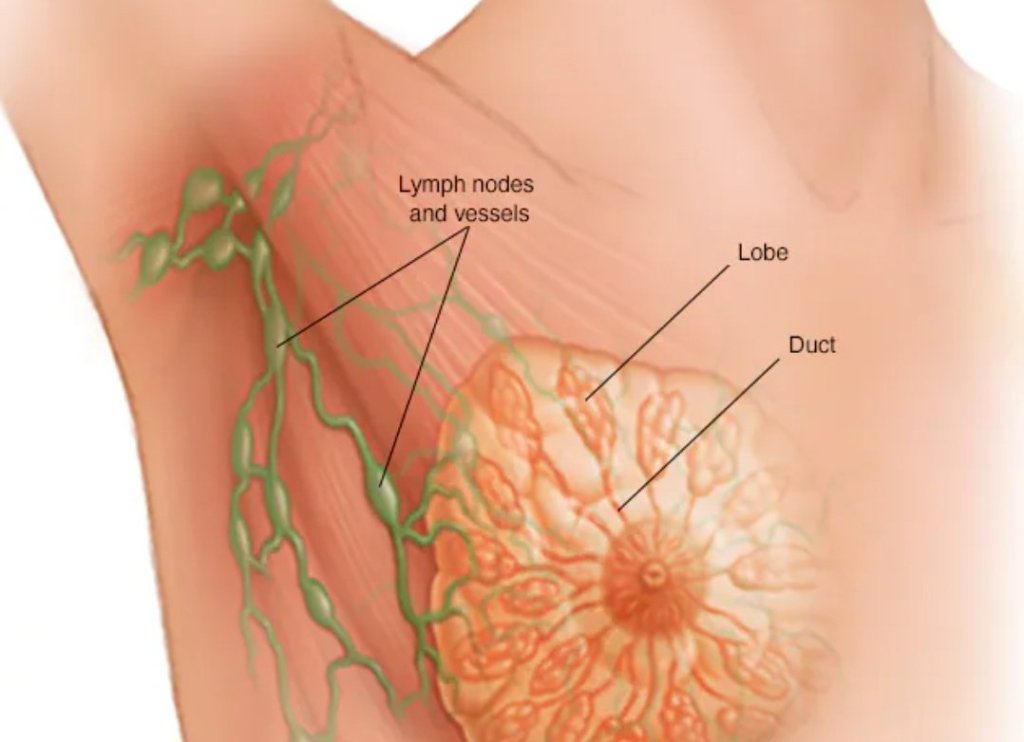
- Understanding Breast Cancer: Breast cancer develops when abnormal cells in the breast tissue multiply and form a tumor. It predominantly occurs in the milk ducts or lobules of the breast. While the exact causes of breast cancer are not fully understood, certain risk factors, such as age, family history, genetic mutations, hormonal factors, and lifestyle choices, can increase the likelihood of developing the disease.
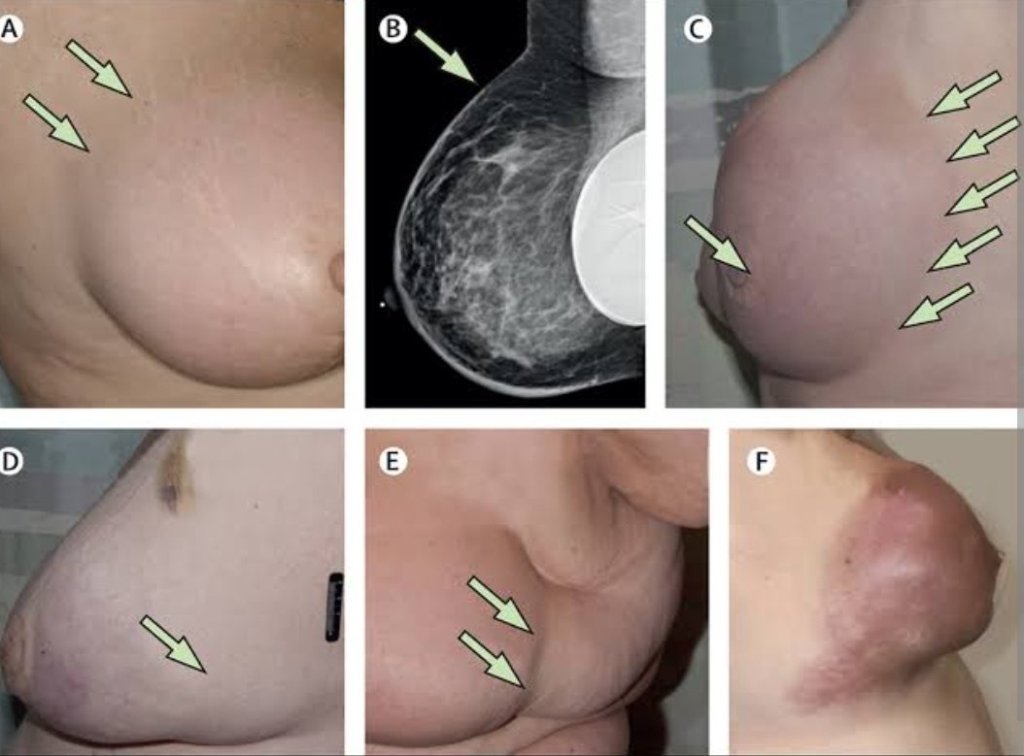
- Symptoms and Signs: Breast cancer can present with various symptoms, although some cases may not exhibit noticeable signs in the early stages. Common symptoms include the presence of a lump or mass in the breast or armpit, changes in breast size or shape, skin dimpling or puckering, nipple abnormalities, such as inversion or discharge, and persistent breast pain. However, it is important to note that not all breast lumps are cancerous, and some benign conditions can cause similar symptoms.
- Diagnosis and Screening: Early detection of breast cancer is crucial for successful treatment. Screening methods such as breast self-examinations, clinical breast examinations by healthcare professionals, and mammograms (X-ray images of the breast) are commonly used for early detection. Additional diagnostic tests, such as ultrasound, MRI, or a biopsy, may be performed to confirm the presence of cancer and determine its characteristics.
- Treatment Options: Breast cancer treatment is highly individualized and depends on various factors, including the stage of cancer, tumor characteristics, and the patient’s overall health. Common treatment modalities include surgery (such as lumpectomy or mastectomy) to remove the tumor, radiation therapy to target cancer cells, chemotherapy to destroy cancer cells throughout the body, hormonal therapy to block or inhibit hormone receptors, targeted therapy to attack specific cancer cells, and immunotherapy to boost the immune system’s response against cancer cells.
- Support and Awareness: Breast cancer diagnosis and treatment can be emotionally and physically challenging. It is essential for individuals diagnosed with breast cancer to seek support from healthcare professionals, support groups, and loved ones. Various organizations and campaigns raise awareness about breast cancer, promote early detection, and provide support services for patients and their families.
Breast cancer is a significant health concern that affects millions of people worldwide. By understanding its symptoms, undergoing regular screenings, and adopting a healthy lifestyle, individuals can improve their chances of early detection and successful treatment. Ongoing research, awareness campaigns, and support networks play a vital role in combating breast cancer and improving the quality of life for those affected by this disease.
Symptoms and signs of breast cancer can vary from person to person. While some individuals may experience noticeable symptoms, others may not exhibit any signs in the early stages. It’s important to be aware of the common symptoms associated with breast cancer and consult a healthcare professional if any concerns arise. Here are some key symptoms and signs to be mindful of:
Recognizing the Signs: Symptoms of Breast Cancer
- Presence of a lump or thickening in the breast or armpit:
- A new lump or mass in the breast or underarm area is a common sign of breast cancer.
- The lump may feel different from the surrounding breast tissue and may or may not be painful.
- It is important to note that not all breast lumps are cancerous, but it is essential to have any new or unusual lumps evaluated by a healthcare professional.
- Changes in breast size, shape, or appearance:
- Breast cancer may cause changes in breast size, such as one breast becoming noticeably larger or smaller than the other.
- Dimpling, puckering, or redness of the breast skin may occur due to cancer cells pulling on the skin’s connective tissues.
- Swelling or distortion of the breast shape should be monitored and evaluated.
- Skin changes on the breast or nipple:
- Changes in the texture, color, or temperature of the breast skin, such as scaly, itchy, or rash-like patches, should be assessed by a healthcare professional.
- Inverted or turned-in nipples that were not previously that way can also be a sign of concern.
- Unusual discharge from the nipple, such as blood or a clear or milky fluid, should be evaluated.
- Nipple changes:
- Changes in the appearance of the nipple, such as a nipple that has changed position or shape, or has become flattened, should be examined.
- Crusting, ulcers, or persistent pain in the nipple or surrounding area may be indicative of underlying issues.
- Breast pain or discomfort:
- Breast pain is a common symptom in many individuals and is often associated with non-cancerous conditions.
- However, persistent, unexplained breast pain or discomfort should be investigated further.
It is important to note that experiencing these symptoms does not necessarily mean a person has breast cancer, as they can be caused by various factors. However, if any of these symptoms persist, worsen, or raise concern, it is recommended to consult a healthcare professional for a proper evaluation and diagnosis. Regular self-examinations, clinical breast examinations, and mammograms are valuable tools for early detection and should be a part of routine breast health care for individuals.
What age does breast cancer start?

Breast cancer can occur at any age, but the risk increases with age. The majority of breast cancer cases occur in women who are 50 years old or older. However, it is important to note that breast cancer can also affect younger women, and in rare cases, even men.
While the risk of breast cancer generally increases with age, it is crucial for individuals of all ages to be aware of the signs and symptoms of breast cancer and practice regular breast self-examinations. Early detection plays a significant role in successful treatment and improved outcomes.
Certain factors can also contribute to an increased risk of breast cancer in younger women, such as certain genetic mutations (e.g., BRCA1 and BRCA2), a family history of breast cancer, and specific breast conditions. It’s important for individuals with these risk factors to consult with healthcare professionals and consider appropriate screening and preventive measures.
If you have concerns about breast cancer or are curious about your individual risk, it is advisable to discuss it with a healthcare professional who can provide personalized guidance and recommendations based on your specific circumstances.
Breast Cancer Treatment Options
When it comes to breast cancer, the choice of treatment options depends on several factors, including the stage of cancer, tumor characteristics, overall health, and individual preferences. Here are some common treatment options used in the management of breast cancer:
- Surgery:
- Lumpectomy: Also known as breast-conserving surgery, this procedure involves removing the tumor and a small margin of surrounding healthy tissue, preserving the breast.
- Mastectomy: This surgery involves the removal of the entire breast tissue. It may be recommended for larger tumors, certain tumor locations, or in cases where the patient prefers it.
- Lymph node removal: During surgery, nearby lymph nodes may be removed to check for the presence of cancer cells and determine the extent of cancer spread.
- Radiation therapy:
- This treatment uses high-energy X-rays or other forms of radiation to kill cancer cells and reduce the risk of recurrence.
- It is commonly administered after lumpectomy or mastectomy to target any remaining cancer cells in the breast or nearby lymph nodes.
- Chemotherapy:
- Chemotherapy involves the use of powerful drugs to destroy cancer cells throughout the body.
- It may be recommended before surgery (neoadjuvant chemotherapy) to shrink tumors, making them easier to remove, or after surgery (adjuvant chemotherapy) to eliminate any remaining cancer cells.
- Chemotherapy may also be used for advanced or metastatic breast cancer to control the disease and manage symptoms.
- Hormonal therapy:
- Hormonal therapy is mainly used for hormone receptor-positive breast cancers, where the tumor cells have receptors for estrogen or progesterone.
- It works by blocking the effects of hormones or reducing hormone production in the body.
- Common hormonal therapy options include selective estrogen receptor modulators (SERMs), aromatase inhibitors, and gonadotropin-releasing hormone (GnRH) agonists.
- Targeted therapy:
- Targeted therapies are drugs that specifically target certain molecules or genes involved in cancer growth.
- Examples include HER2-targeted therapies (such as trastuzumab) for HER2-positive breast cancers and CDK4/6 inhibitors (such as palbociclib) for hormone receptor-positive, HER2-negative breast cancers.
- Immunotherapy:
- Immunotherapy is a treatment that uses the body’s immune system to fight cancer.
- While not yet extensively used for breast cancer, ongoing research is exploring its potential in certain cases, particularly in advanced or metastatic breast cancer.
Treatment plans are often personalized and may involve a combination of these approaches. The choice of treatment is best made through discussions between the patient and a multidisciplinary team of healthcare professionals, considering various factors such as the stage of cancer, overall health, potential side effects, and individual preferences. Regular follow-up care and monitoring are essential to assess treatment effectiveness and address any long-term effects.
 Health Fighter
Leave a comment