What is Green Tea
Green tea is a type of tea that is made from the leaves of the Camellia sinensis plant. It is called “green” tea because of its characteristic green color, which is retained through minimal oxidation during processing. Unlike black tea, which is fully oxidized, green tea leaves are quickly steamed or heated after being harvested to prevent oxidation and preserve their natural green color and flavor.
- What is Green Tea
- Production and Processing Method of Green Tea
- 8 Benifits of Green Tea
- Type of Green Tea
- Daily Dosage of Green Tea
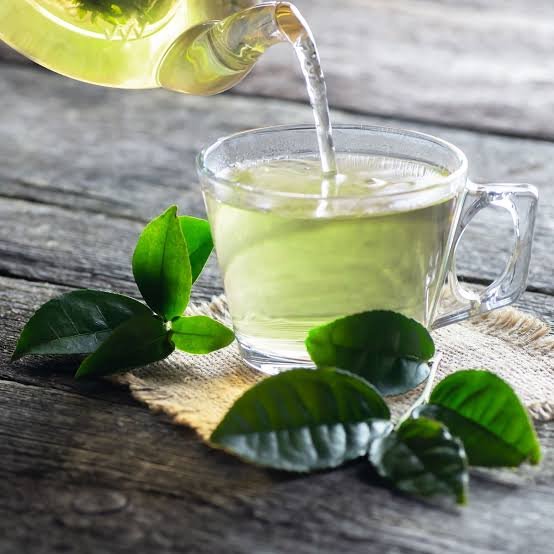
Production and Processing Method of Green Tea
The production of green tea involves several steps, including withering, steaming or pan-firing, rolling, and drying. These steps help to preserve the tea’s natural bioactive compounds and antioxidants.
Green tea is popular worldwide and has been consumed for centuries, particularly in East Asia, including China, Japan, and Korea. It is known for its distinct flavor, which can range from grassy and vegetal to nutty and slightly sweet, depending on the specific variety and processing methods.
8 Benifits of Green Tea
Green tea is known for its numerous health benefits. Here are some of the potential benefits of green tea:
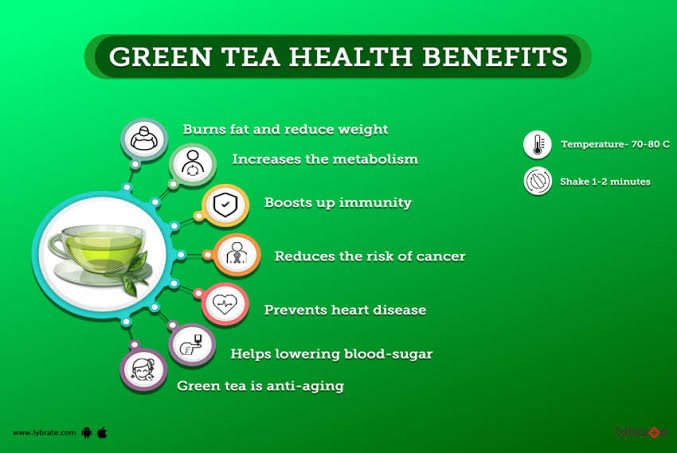
- Rich in Antioxidants: Green tea is packed with powerful antioxidants called catechins, which help protect the body against damage from free radicals. These antioxidants can potentially reduce the risk of chronic diseases such as heart disease and certain types of cancer.
- Weight Management: Green tea may aid in weight loss and weight management. It contains compounds that can help boost metabolism and increase fat oxidation, potentially leading to increased calorie burning. However, it’s important to note that green tea alone is not a magic solution for weight loss and should be combined with a healthy diet and exercise.
- Heart Health: Regular consumption of green tea has been associated with a reduced risk of heart disease. It can help lower LDL cholesterol (the “bad” cholesterol) and triglyceride levels, and it may also improve blood flow and reduce the formation of blood clots.
- Brain Health: The caffeine and other bioactive compounds in green tea can have a positive impact on brain function. It can help improve alertness, focus, and memory. Green tea also contains an amino acid called L-theanine, which has been found to have a calming effect and promote relaxation without causing drowsiness.
- Diabetes Management: Green tea may help regulate blood sugar levels and improve insulin sensitivity, which can be beneficial for individuals with type 2 diabetes. Some studies suggest that regular consumption of green tea may lower the risk of developing type 2 diabetes in the first place.
- Oral Health: The catechins in green tea have antimicrobial properties that can help inhibit the growth of bacteria and viruses in the mouth, potentially reducing the risk of dental cavities, gum disease, and bad breath.
- Skin Health: Green tea contains antioxidants that can help protect the skin from damage caused by UV radiation and environmental pollutants. It may also have anti-aging effects, helping to reduce the appearance of wrinkles and promote a more youthful-looking skin.
- Digestive Health: Green tea has been used traditionally to aid digestion. It may help improve gut health by promoting the growth of beneficial gut bacteria and reducing inflammation in the digestive system.
It’s important to note that while green tea offers potential health benefits, individual results may vary, and it should be consumed in moderation. Additionally, it’s advisable to consult with a healthcare professional before making significant changes to your diet or if you have any specific health concerns.
Type of Green Tea
There are various types of green tea, each with its unique characteristics and flavors. Here are some of the most popular types of green tea:
- Sencha: Sencha is one of the most common types of Japanese green tea. It has a bright green color, a fresh and grassy flavor, and a slightly astringent taste. Sencha is typically steamed and rolled during processing.
- Matcha: Matcha is a finely ground powdered green tea that is highly valued in Japanese tea ceremonies. It is made from shade-grown tea leaves, which are hand-picked and stone-ground into a fine powder. Matcha has a vibrant green color and a rich, umami flavor. It is traditionally whisked into hot water or milk.
- Gyokuro: Gyokuro is another shade-grown Japanese green tea and is considered one of the highest-quality teas. It has a sweet, mellow flavor and a rich aroma. The leaves are shaded for several weeks before harvesting to increase the chlorophyll content, resulting in a vibrant green color and a unique taste.
- Longjing (Dragon Well): Longjing is a famous Chinese green tea from the Zhejiang province. It has a flat and broad leaf shape, a delicate nutty flavor, and a slightly sweet aftertaste. Longjing tea is pan-fired to stop oxidation and preserve its distinct flavor.
- Gunpowder: Gunpowder is a type of Chinese green tea characterized by its tightly rolled leaves, which resemble small pellets or gunpowder grains. It has a bold and slightly smoky flavor. Gunpowder tea leaves are typically withered, steamed or pan-fired, rolled, and then dried.
- Bancha: Bancha is a Japanese green tea made from mature tea leaves that are harvested later in the season. It has a more robust flavor and a lower caffeine content compared to other Japanese green teas. Bancha is often served as a casual, everyday tea in Japan.
- Jasmine Green Tea: Jasmine green tea is a blend of green tea leaves and jasmine flowers. The tea leaves are typically scented with jasmine blossoms, resulting in a fragrant and floral taste. It is popular for its soothing aroma and delicate flavor.
These are just a few examples of the wide variety of green teas available. Each type has its own unique characteristics, flavor profiles, and brewing methods, providing a diverse range of options for tea enthusiasts to explore.
Daily Dosage of Green Tea
The optimal dosage of green tea can vary depending on various factors, including an individual’s health, age, weight, and sensitivity to caffeine. It’s generally recommended to consume green tea in moderation and not to exceed certain limits to avoid potential side effects. Here are some general guidelines:
- Caffeine Content: Green tea contains caffeine, although in lower amounts compared to coffee. On average, an 8-ounce cup of green tea contains around 20-45 milligrams of caffeine. If you’re sensitive to caffeine or have certain health conditions, you may want to limit your intake or opt for decaffeinated green tea.
- Daily Consumption: Moderate green tea consumption is generally considered safe and beneficial for most people. It is often recommended to consume 2-3 cups of green tea per day, which can provide a good balance of its potential health benefits without excessive caffeine intake.
- Epigallocatechin Gallate (EGCG): EGCG is a potent antioxidant compound found in green tea. While there is no specific recommended daily dosage for EGCG, studies have shown health benefits with doses ranging from 200 to 300 milligrams per day. However, it’s important to note that higher doses of EGCG or green tea extract may not necessarily provide greater benefits and could potentially lead to adverse effects.
- Considerations and Precautions: It’s important to be mindful of your individual health conditions and any medications you may be taking. Green tea can interact with certain medications, such as blood thinners or medications for heart conditions, so it’s advisable to consult with a healthcare professional if you have any concerns.
- Personal Tolerance: Green tea affects individuals differently, and some people may be more sensitive to its caffeine content or experience digestive discomfort. It’s important to listen to your body and adjust your consumption accordingly. If you’re new to green tea, start with smaller amounts to gauge your tolerance and gradually increase as desired.
Remember, while green tea offers potential health benefits, it should not replace a balanced diet or medical advice. It’s always a good idea to consult with a healthcare professional for personalized recommendations based on your specific health needs and circumstances.
 Health Fighter
Leave a comment