Health refers to a state of complete physical, mental, and social well-being, not merely the absence of disease or infirmity. It encompasses various aspects of an individual’s overall well-being and their ability to function optimally in different areas of life
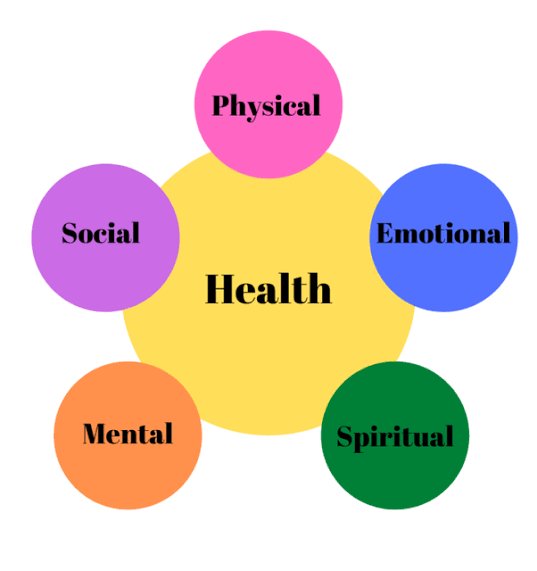
Type of health
Mental Health
Mental health refers to a person’s emotional, psychological, and social well-being. It affects how individuals think, feel, and act, and also determines how they handle stress, relate to others, and make choices. Mental health is essential at every stage of life, from childhood and adolescence through adulthood.

Maintaining good mental health is crucial for overall well-being and quality of life. It involves taking care of one’s emotional and psychological needs, developing coping skills to manage stress, and fostering positive relationships. However, mental health problems are common and can affect anyone, regardless of age, gender, or background.
Conditions such as anxiety disorders, depression, bipolar disorder, schizophrenia, and others can significantly impact a person’s mental health. These conditions often require professional help, including therapy, counseling, and sometimes medication. It is important to recognize the signs of mental health issues and seek appropriate support to promote recovery and well-being.
Promoting mental health involves creating supportive environments, reducing stigma and discrimination, and increasing awareness about mental health issues. It also includes providing access to effective and affordable mental health services, promoting resilience and coping mechanisms, and ensuring a holistic approach to mental well-being.
Taking care of one’s mental health is as important as taking care of physical health. It is crucial to prioritize self-care, maintain a balanced lifestyle, seek help when needed, and be supportive of others who may be struggling. By addressing mental health concerns, we can create a society that values emotional well-being and supports individuals in leading fulfilling lives.
Physical Health
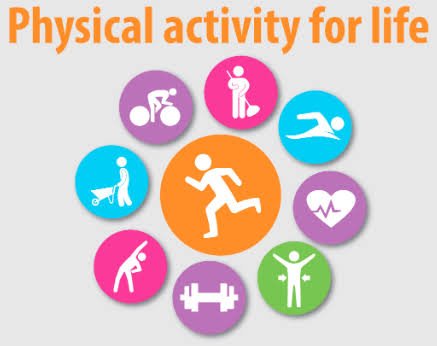
Physical health is the state of well-being that encompasses the body’s ability to function optimally and maintain overall fitness and vitality. It is influenced by factors such as exercise, nutrition, sleep, and lifestyle choices.
Social Health

Social health refers to the ability to form and maintain positive relationships and effectively interact with others in various social settings. It involves developing and maintaining meaningful connections, fostering a sense of belonging, and engaging in healthy social interactions. Good social health promotes emotional well-being, reduces feelings of loneliness and isolation, and contributes to a sense of community and support.
Spiritual Health

Spiritual health encompasses a person’s sense of purpose, meaning, and connection to something larger than themselves. It involves exploring and nurturing beliefs, values, and principles that provide a sense of inner peace, harmony, and fulfillment. Spiritual health is not limited to religious beliefs but can also involve a connection to nature, personal values, or a sense of transcendence. It often involves practices such as meditation, mindfulness, prayer, or engaging in activities that promote self-reflection and self-discovery. Cultivating spiritual health can contribute to overall well-being and provide a source of strength and resilience in challenging times.
Environmental Health
Environmental health refers to the branch of public health that focuses on how the environment affects human health. It involves assessing, understanding, and managing the various factors in the physical, chemical, and biological environment that can impact human well-being. These factors include air and water quality, waste management, exposure to pollutants, access to green spaces, and the overall built environment.
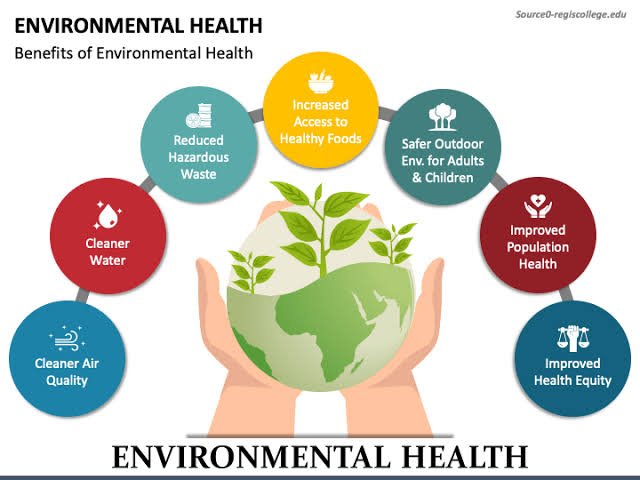
Maintaining good environmental health is crucial for preventing diseases, promoting well-being, and ensuring sustainable development. It involves practices such as ensuring clean and safe drinking water, proper sanitation, waste management, reducing exposure to environmental hazards, and promoting sustainable and environmentally friendly practices.
Addressing environmental health concerns requires collaboration between individuals, communities, governments, and organizations. It involves implementing policies and regulations to protect the environment and human health, conducting research to understand the impact of environmental factors, and promoting education and awareness about environmental health issues.
By striving for a healthy environment, we can create a foundation for healthy communities and contribute to the well-being of current and future generations.
Vacation Health
Vacation health refers to taking care of one’s well-being and maintaining a healthy lifestyle while on vacation. It involves making conscious choices and practicing healthy habits to ensure a balanced and enjoyable vacation experience.
To prioritize vacation health, it is important to consider the following:
- Physical well-being: Engage in physical activities that suit your preferences and abilities. This can include exploring the local surroundings on foot, swimming, hiking, or participating in recreational activities. Additionally, try to maintain a balanced diet by incorporating nutritious meals and staying hydrated.
- Mental well-being: Take time to relax, unwind, and de-stress during your vacation. Engage in activities that promote mental well-being, such as meditation, reading, journaling, or simply enjoying the tranquility of the destination. Disconnecting from work-related obligations and technology can also be beneficial for mental rejuvenation.
- Sleep: Prioritize getting adequate sleep and maintaining a regular sleep schedule. Ensure your accommodation provides a comfortable sleeping environment, and establish a bedtime routine that helps you relax and rest properly.
- Safety: Prioritize your safety while on vacation. Familiarize yourself with local safety guidelines, follow any necessary precautions, and be mindful of your surroundings. Take necessary precautions to protect yourself from sunburn, insect bites, or any other potential hazards.
- Balance and moderation: While it’s enjoyable to indulge in local cuisine and treats, strive for moderation to maintain a healthy balance. Allow yourself to indulge in moderation while still making choices that align with your overall health goals.
Remember that vacations are meant to be a time of relaxation and rejuvenation. By paying attention to your physical and mental well-being during your time off, you can make the most of your vacation and return home feeling refreshed and revitalized.
- Unlocking the Health Benefits of Jeraa(Cumin seeds): A Comprehensive Guide
- The Health Benefits of Turmeric (Haldi): A Golden Spice with Incredible Potential
- The Timeless Pleasure of Pasta: A Culinary Journey Through History
- Embracing Sobriety: The Liberating Journey of Choosing Non-Drink
- Unveiling the Water Maloom Crisis: Understanding the Global Water Scarcity
 Health Fighter
Leave a comment