Decoding Human Expressions: The 5 Basic Body Language Cues
Communication is a fundamental aspect of human interaction, and it extends beyond verbal expressions. Our bodies possess a language of their own, silently conveying emotions, thoughts, and intentions. Body language plays a crucial role in understanding others and being understood. In this blog post, we will explore the five basic body language cues that can help decipher the unspoken messages people send.
- Facial Expressions:
The face is a canvas of emotions, reflecting a wide range of feelings. The muscles in our face involuntarily respond to our emotions, making facial expressions one of the most prominent and universal forms of non-verbal communication. From a smile indicating happiness to furrowed brows suggesting concern, our facial expressions can convey a myriad of emotions. Recognizing these cues can provide valuable insights into someone’s state of mind.
- Gestures:
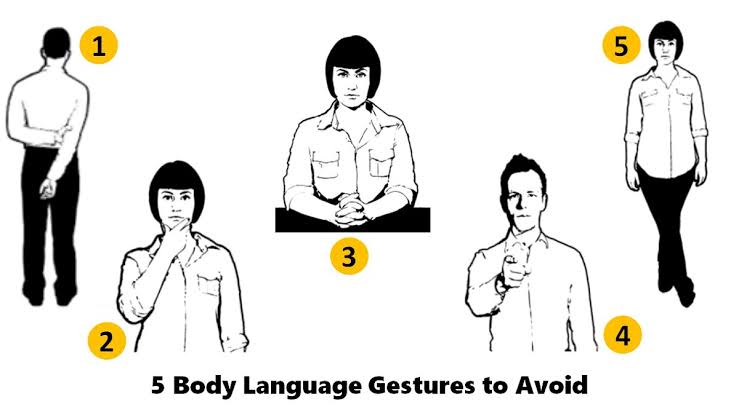
Gestures encompass a broad range of movements involving different parts of the body. They can be intentional or subconscious and vary across cultures. Hand movements, arm positions, and body postures can all convey messages. For instance, crossed arms might indicate defensiveness or disagreement, while open palms may signal trust and openness. Observing gestures in context helps in understanding the underlying meaning.
- Eye Contact:
Eyes are often referred to as the windows to the soul, and they have a profound impact on communication. Eye contact, or lack thereof, can reveal a person’s interest, honesty, and level of engagement. Sustained eye contact typically indicates attentiveness and confidence. Conversely, avoiding eye contact may suggest shyness, dishonesty, or discomfort. Interpreting eye contact requires careful observation while considering cultural norms and individual differences.
- Posture and Body Alignment:
Our posture and body alignment can communicate volumes about our confidence, status, and emotional state. An upright posture with shoulders back typically portrays confidence, openness, and authority. Conversely, slouching or a closed-off posture may convey insecurity or disinterest. Furthermore, observing how individuals align their bodies towards or away from others can provide insights into their level of engagement and rapport.
- Touch:
Human touch is a powerful form of non-verbal communication that can convey a range of emotions and intentions. A handshake, a pat on the back, or a gentle touch on the arm can communicate warmth, empathy, support, or even dominance. However, it is essential to respect personal boundaries and cultural norms when interpreting touch, as the meaning can vary significantly across different contexts.
Why Body Language Cues?
While verbal communication is vital, understanding the unspoken language of the body can enhance our ability to connect with others on a deeper level. By paying attention to facial expressions, gestures, eye contact, posture, and touch, we can gain valuable insights into a person’s emotions, intentions, and attitudes. However, it is important to remember that body language cues should be interpreted in context, considering cultural variations and individual differences. Developing an awareness of these basic body language cues can improve our communication skills and enrich our relationships in both personal and professional spheres. So, let’s be attentive, observant, and open to decoding the silent messages communicated through the body language of those around us.
 Health Fighter
Leave a comment